Payment Options
[object Object], [object Object]
Dress Code
There is no formal dress code, but modest casual attire is recommended as this is a traditional establishment in a conservative area. Comfortable clothing is advisable given the crowded nature of the space and the need to navigate through narrow passages. The venue is located within the Grand Bazaar, so practical footwear is recommended for exploring the surrounding area.
Noise Level
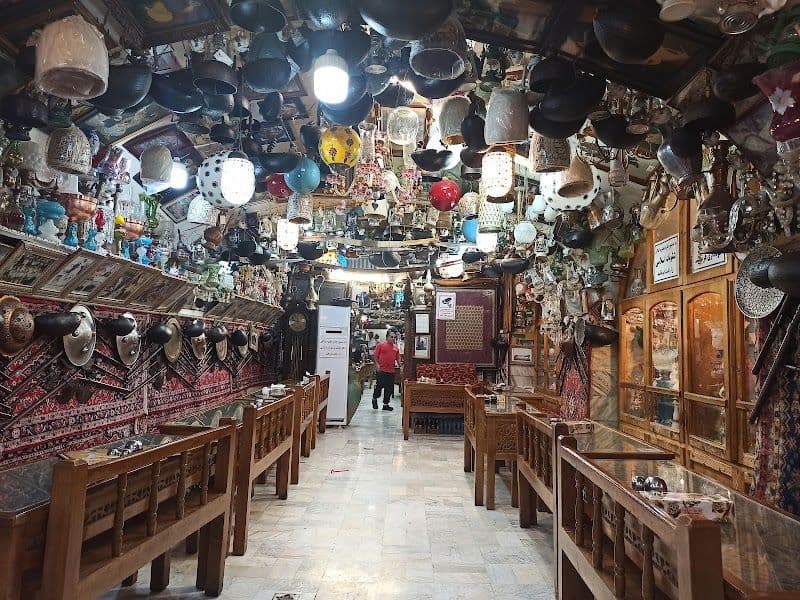
The atmosphere is typically lively and bustling with the sounds of conversation, clinking tea glasses, and the bubbling of hookahs. As a popular tourist destination, it can get quite crowded and noisy, especially during peak hours. The narrow space amplifies sounds, creating a vibrant, energetic environment that reflects the busy nature of the historic bazaar location.
Bar & Drinks
This traditional tea house does not serve alcohol, focusing instead on authentic Persian beverages like tea, doogh (yogurt drink), and other non-alcoholic traditional drinks. The establishment is known for its exceptional hookah (ghelyoon) service, which is considered the highlight of their beverage offerings. The focus remains on cultural authenticity rather than alcoholic beverages.
Kid Friendly
While children are welcome, the narrow, crowded space filled with valuable antiques may not be ideal for very young children or those who need room to move around. Older children would appreciate the historical artifacts and unique setting. The traditional food options may appeal to adventurous young eaters, but there are no specific child-focused amenities or menu items available.
Pet Friendly
Pets are not typically allowed in this establishment due to the crowded nature of the space and the presence of valuable historical artifacts. The narrow passages and intimate seating arrangement make it unsuitable for animals. Service animals may be accommodated, but it's recommended to contact the venue in advance due to the unique layout and preservation concerns.
Events & Live Music
There is no regular live music or scheduled events, as the main attraction is the historical ambiance and cultural experience itself. The owner, Amoo Hassan, often shares stories about the artifacts, creating an impromptu educational experience for visitors. The venue's unique setting and historical significance provide entertainment value without needing additional programming.
Typical Wait Times
The tea house is extremely popular and often has waiting lists, especially during peak hours and tourist seasons. Despite the crowds, service is notably efficient and quick once seated. Reservations are not typically accepted due to the small size and high demand. Visitors should be prepared to wait for a table during busy periods in this very popular destination.
Getting There
Located in the corner of the Grand Bazaar near Naqsh-e-Jahan Square, the tea house is accessible by foot through the bazaar's narrow passages. The entrance requires navigating through an old courtyard area. Unfortunately, the venue is not wheelchair accessible due to the historical nature of the building, narrow tunnels, and multiple level changes throughout the space.
Sustainability
As a historical establishment operating in a centuries-old structure, the venue inherently practices sustainability through building preservation and reuse. The traditional Persian tea service typically uses reusable glassware and metal tea sets rather than disposable items. However, there is no specific information available about modern sustainability initiatives or waste reduction programs at this traditional venue.
Policies
Photography is technically not allowed inside due to the valuable nature of the antiques, though enforcement appears relaxed. The establishment operates on a first-come, first-served basis without reservation options. Smoking is permitted through their traditional hookah service. The venue maintains a cash-free policy, accepting only card payments for transactions.