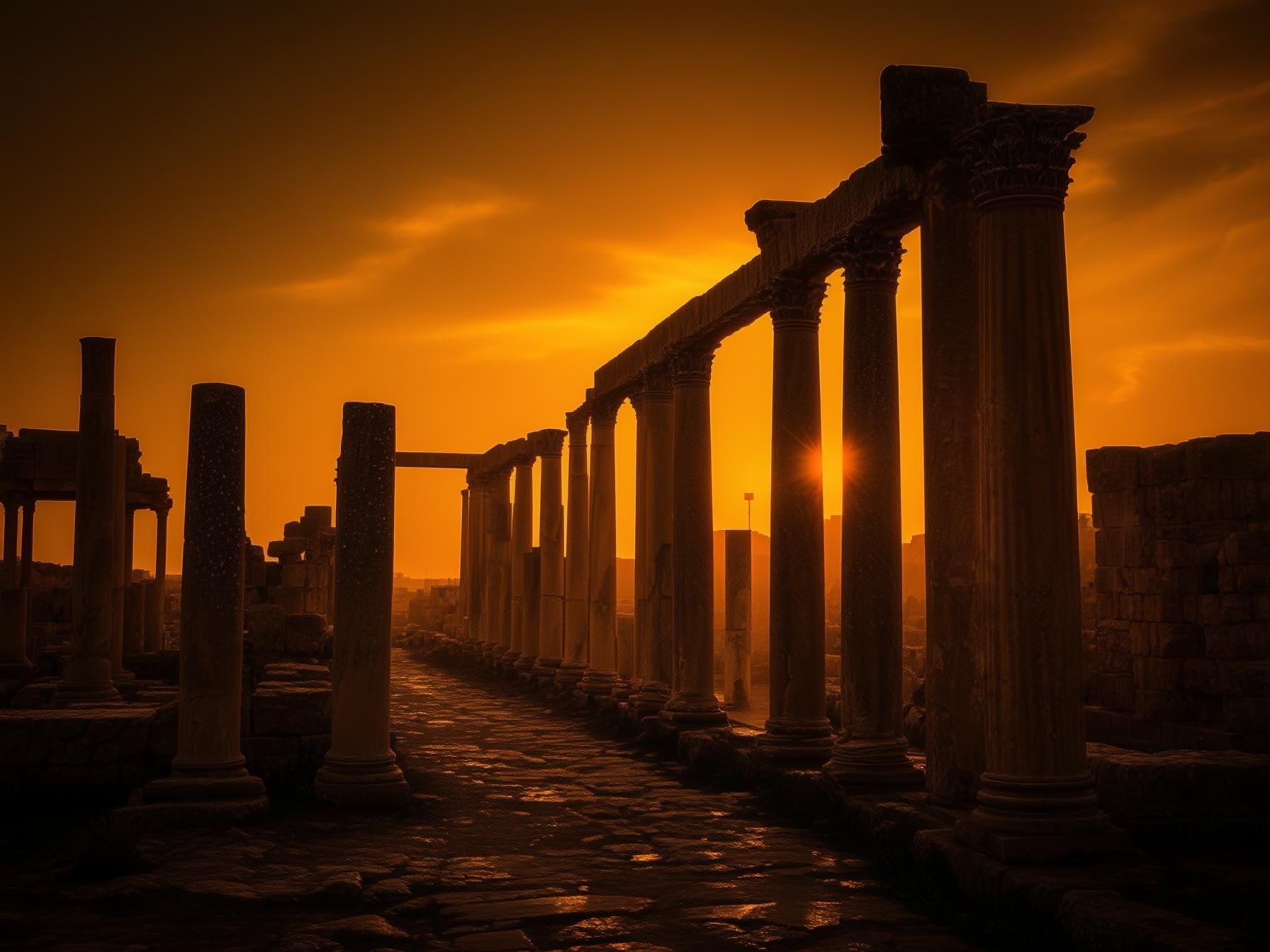
Discovering the Ancient Ruins of Tyre: A Journey Through History and Culture
Discovering the Ancient Ruins of Tyre: A Journey Through History and Culture
Experience ancient Tyre, Lebanon: Visit historic ruins, stunning Mediterranean beaches, and vibrant souks. Our AI travel agent helps you navigate this UNESCO site's Roman hippodrome, Phoenician ports, and local cuisine.
Historical Background of Tyre
Tyre, tracing its origins over 4,000 years, ranks as one of the world's oldest continuously inhabited cities. Known as an island city during the Phoenician era (circa 1500–300 BCE), Tyre became a significant maritime and commercial hub for Mediterranean trade. The Phoenicians, pioneers in navigation, established colonies that marked Tyre's broad influence.
Tyre retained its prestige throughout the Roman period, featuring impressive edifices. From bustling harbors to grand temples, Tyre was known for its significant urban footprint. Tyre also played a strategic role during the Crusader era, attracting European interest for its defenses.
Withstanding sieges by the Assyrian king Nebuchadnezzar and later, Alexander the Great’s conquest, Tyre’s history is turbulent. Archaeological finds—inscriptions, sculptures, and artifacts—highlight its cultural significance as a melting pot bridging East and West.
Must-See Ancient Ruins in Tyre
The Roman Hippodrome: A Leisure and Cultural Activity
Tyre’s ancient ruins resemble an expansive open-air museum. The Roman Hippodrome, one of the largest arenas of its kind, hosted chariot races that electrified Roman audiences. Measuring over 480 meters, this arena is a testament to Roman entertainment and engineering prowess.
Necropolis and Roman Tombs: Historical Insights
Nearby lie the Necropolis and Roman Tombs, showcasing burial customs. Intricate carvings and monumental sarcophagi reflect beliefs and social hierarchies. These sites are remarkable not only for their size but for their artistic merits.