Visit the Shrine of Shah Rukn-e-Alam
Multan

Multan
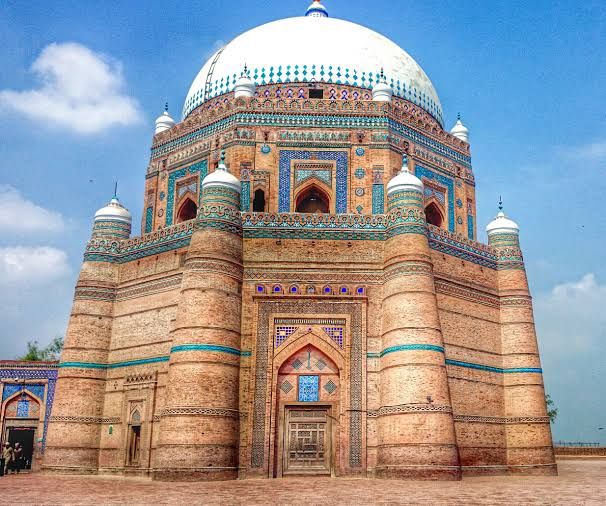
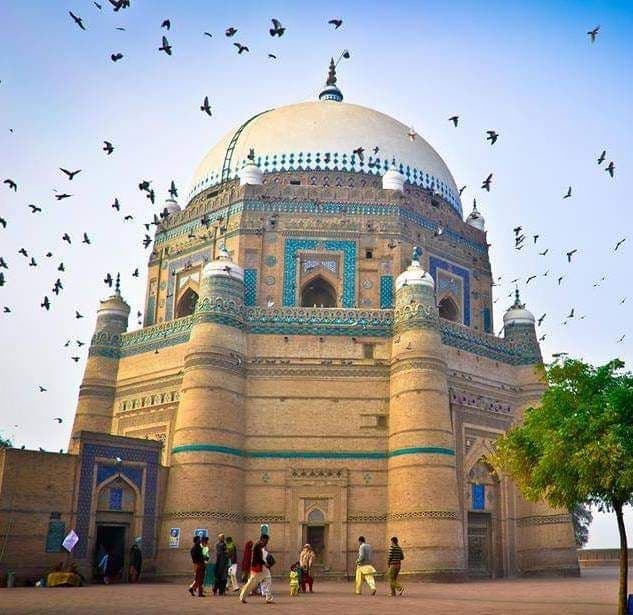
Imposing octagonal tomb with a white dome, intricate blue & white mosaics & wooden carvings.
This 14th-century mausoleum is a masterpiece of early Islamic architecture, renowned for its towering three-tiered octagonal structure, stunning blue and white tilework, and profound spiritual significance. As the final resting place of the revered Sufi saint Shah Rukn-e-Alam, it attracts pilgrims and tourists alike, serving as a major pilgrimage site and a proud symbol of Multan's rich cultural history. The peaceful atmosphere, intricate woodwork, and beautifully maintained gardens make it an unforgettable destination for history buffs, architecture lovers, and spiritual seekers.
Explore the mystical allure of Multan, Pakistan with Booked AI Travel Agent. Dive into a perfect getaway planned by your Trip Planner app. Among the city's rich offerings, a visit to the Shrine of Shah Rukn-e-Alam stands out. This architectural marvel, offering a window into the region's spiritual heart, is rated as a top thing to do by many a Multan Travel Agent. Discover cheap flights and activities for a budget-friendly trip to Multan. Let AI Travel guide you through the dazzling cityscape and uncover cheap activities in Multan. Fly to Multan for an enriching journey and a deep cultural dive, all curated with ease and charm by your trusty AI travel partner.


A thorough visit to the tomb and its surrounding gardens typically requires 1 to 2 hours. This allows enough time to admire the intricate exterior and interior architecture, explore the peaceful gardens, and observe the devotional practices. If you wish to spend time in quiet reflection, attend a prayer session, or visit the nearby bird market, you may want to allocate up to 3 hours. Planning your visit during quieter weekdays can enhance the experience, allowing for a more leisurely exploration without the crowds.
Built between 1320 and 1324 CE, the tomb is a landmark of early Islamic architecture in South Asia and is considered the earliest surviving example of Tughluq architecture. It represents a fusion of pre-Mughal design, featuring an innovative octagonal plan, massive dome, and intricate brick and tile work. The site commemorates Shah Rukn-e-Alam, a pivotal 14th-century Sufi saint whose teachings deeply influenced the region's spiritual landscape. Its preservation over seven centuries makes it a vital link to Multan's medieval past and Sufi heritage.
The tomb is family-friendly, offering a peaceful environment and spacious gardens where children can walk around under supervision. However, as an active shrine, it requires children to be quiet and respectful. Elderly visitors will appreciate the level pathways and available seating areas. Facilities like restrooms are present, but dedicated play areas or child-specific amenities are not available. Families should visit during cooler hours and be mindful of the cultural setting, ensuring that all members dress appropriately and follow shrine etiquette.
The tomb is located in the historic Qila Kohna area of Multan, easily accessible by taxi, rickshaw, or private car. It is situated near the old fort and the Qasim Bagh road, well-known to local drivers. Public bus routes serve the general area, but a short walk may be required from the nearest stop. Parking is available on-site, including designated accessible spaces. For visitors relying on public transit, hiring a local guide or using ride-hailing apps is recommended for a direct and hassle-free journey to this central landmark.